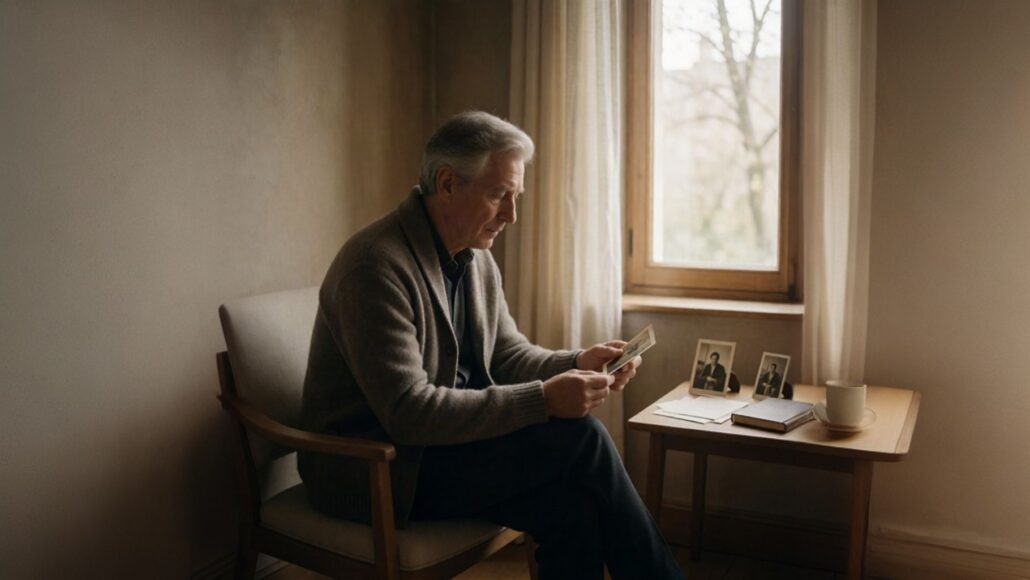
There are certain small moments we return to in later life. These memories have rippled beneath the surface for years, perhaps for decades; barely noticeable until, suddenly, they swell and we remember. But when we remember, we realize these memories are of moments we thought were inconsequential.
People are often surprised by this, for they assume that the memories that most matter are the dramatic or pivotal ones. But the moments that return do so because they represent something unresolved, or unspoken, or unfinished.
Some memories return when the pace of life finally slows. Others return when a major transition—retirement, loss, a child grown, a second marriage, an unfortunate diagnosis—shifts the emotional landscape. Some memories return because a small detail triggers them, perhaps a familiar scent or sight, a particular sound or line in a book.
As we age, our relationship to our past shifts. We gain distance, we see patterns. We recognize meaning that wasn’t visible before. A moment that once felt insignificant or confusing begins to make sense in a new way.
This is why many people have an urge to write a memoir later in life
Not to document everything that happened, but to explore those memories that have been quietly bubbling under the surface for years.
There is meaning in these memories, in the stories that refuse to fade.
And when we finally turn toward them with full attention, the story of our life begins to take a new shape.